Table of Contents
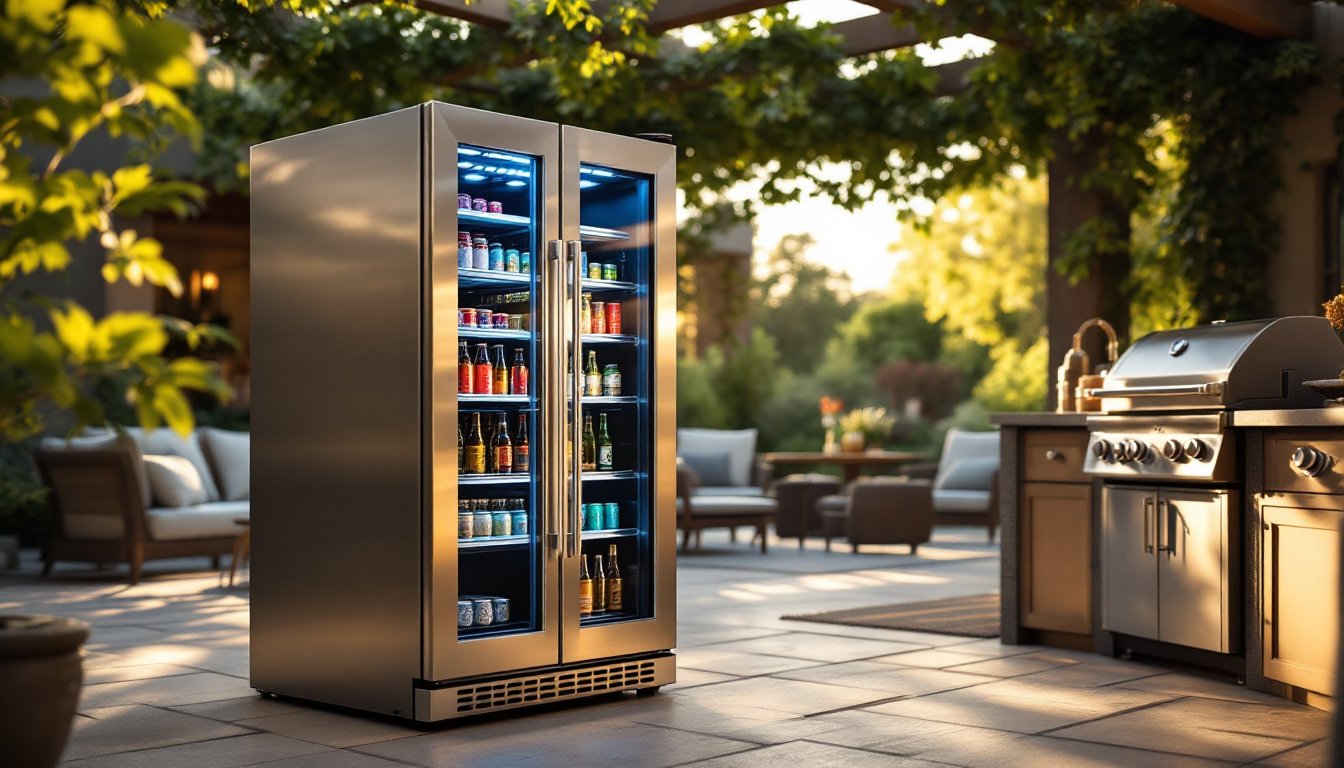
ToggleAn outdoor beverage refrigerator transforms a backyard from a convenient gathering space into a true entertainment zone. Whether you’re hosting a weekend cookout, relaxing with family on a lazy afternoon, or settling in for an evening of stargazing, having ice-cold drinks within arm’s reach beats making repeated trips to the kitchen. Unlike a standard indoor fridge that serves double duty for food storage, an outdoor beverage refrigerator is purpose-built to withstand the elements while keeping your drinks at the perfect temperature. This guide covers everything you need to know to choose, install, and maintain one for years of backyard enjoyment.
Key Takeaways
- An outdoor beverage refrigerator is purpose-built to withstand humidity, UV exposure, and temperature extremes that would damage standard indoor fridges, making it essential for any serious entertainment space.
- Look for units with stainless steel or powder-coated aluminum exteriors, stainless steel condenser coils, and frost-protection features rated for operating temperatures between 32°F and 110°F ambient.
- Strategic placement in shaded areas with at least 2–4 inches of airflow clearance on all sides maximizes cooling efficiency and extends compressor lifespan.
- Monthly condenser coil cleaning with a soft brush or compressed air prevents the #1 cause of cooling failure in outdoor beverage refrigerators and maintains peak performance.
- Run a dedicated 15-amp GFCI-protected circuit for permanent installations and position the unit to direct condensate drainage away from living and pool areas.
Why an Outdoor Beverage Refrigerator is a Game-Changer for Your Backyard
An outdoor beverage refrigerator eliminates the friction of entertaining. Guests can grab a cold drink without bothering the host, and you’re not constantly refilling coolers with ice. For anyone who spends serious time on a patio, deck, or poolside, this appliance pays for itself in convenience and comfort.
These units are engineered differently than indoor models. They feature enhanced insulation, corrosion-resistant exteriors, and compressors built to handle temperature swings and humidity. A standard kitchen fridge will fail quickly outdoors, the humidity, UV exposure, and temperature extremes corrode components and damage electronics. An outdoor model is sealed and finished to handle these conditions.
Beyond practical benefits, an outdoor beverage refrigerator signals that your backyard is a serious entertainment space. It anchors outdoor kitchens, extends the usable season, and makes your home more appealing to guests. For homeowners with poolside entertaining in mind, it’s a natural extension of the outdoor living area.
Key Features to Look for When Shopping
When evaluating outdoor beverage refrigerators, focus on the features that matter most for your climate, space, and entertaining style.
Weather Resistance and Durability
Look for units with stainless steel or powder-coated aluminum exteriors that resist rust and UV fading. The cabinet seal should be robust, check that gaskets are replaceable and designed for outdoor use. A gasketed door frame prevents warm air infiltration better than a simple hinge closure.
Condenser coils should be stainless steel or copper, never bare aluminum in an outdoor setting. Bare aluminum oxidizes quickly when exposed to moisture and salt air. The compressor and cooling system must be rated for outdoor temperature extremes: some units have frost-protection features that prevent freeze damage in winter or in areas with cool nights.
Check the product manual or spec sheet for the operating temperature range, most quality units handle from 32°F to 110°F ambient. If you live in a region with temperature swings or harsh winters, frost protection isn’t optional.
Good Housekeeping and similar publications regularly test outdoor refrigerators for durability and weather resistance, making them useful references when narrowing your options.
Capacity and Size Considerations
Beverage refrigerators come in widths from 24 inches to 48 inches, with depths typically 24 to 28 inches and heights ranging from 32 to 36 inches for undercounter models. Measure your installation space carefully, account for airflow clearance (usually 2 to 4 inches on sides and back, per manufacturer specs) and the door swing radius.
Capacity ranges from 100 cans to 300+ cans depending on shelf configuration. A compact 24-inch undercounter unit holds roughly 150 cans and fits neatly beside a grill or under a built-in counter. Larger models provide more flexibility for mixed beverages and are better for frequent entertaining.
Consider whether you’ll store bottles, cans, or both. Some units have adjustable shelving: others are fixed. Bottle storage often requires deeper shelves and less vertical stacking room. For built-in installations, undercounter refrigerators designed for outdoor kitchens offer professional-grade options that integrate seamlessly with cabinetry.
Installation and Placement Tips
Placement determines long-term performance and convenience. Position your outdoor beverage refrigerator in a shaded location whenever possible, direct sun increases cooling load and shortens compressor life. A covered patio, under a pergola, or on the shady side of your house works best. If shade is unavailable, a weatherproof sunshade or reflective cover helps.
Ensure the surface is level and stable. A sloped or uneven foundation causes the refrigerant to pool incorrectly and reduces cooling efficiency. Use shims or a concrete pad to level the unit if needed.
Airflow clearance is critical. Keep at least 2 to 4 inches of open space on the sides, back, and top for the condenser to release heat. Cramped installation forces the compressor to work harder and may trigger overheat shutdowns. If building a built-in surround, leave these gaps unobstructed.
For electrical connection, run a dedicated 15-amp circuit to the outdoor unit if possible, don’t rely on extension cords as permanent solutions. The circuit should be GFCI-protected per the National Electrical Code (NEC). If running new conduit outside, use schedule 40 PVC or metallic conduit rated for outdoor use, and consider hiring a licensed electrician for permanent installations.
Water drainage is often overlooked. Position the unit so any condensate drips away from living areas or poolside, or install a small drainage line if the unit has a drain outlet. Don’t let water pool against the base.
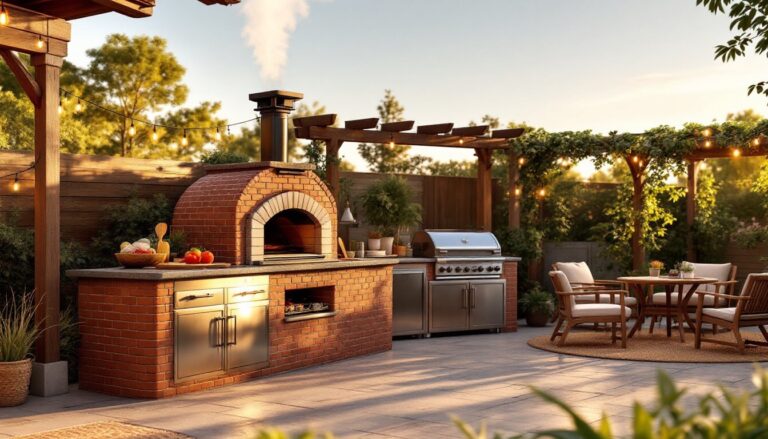
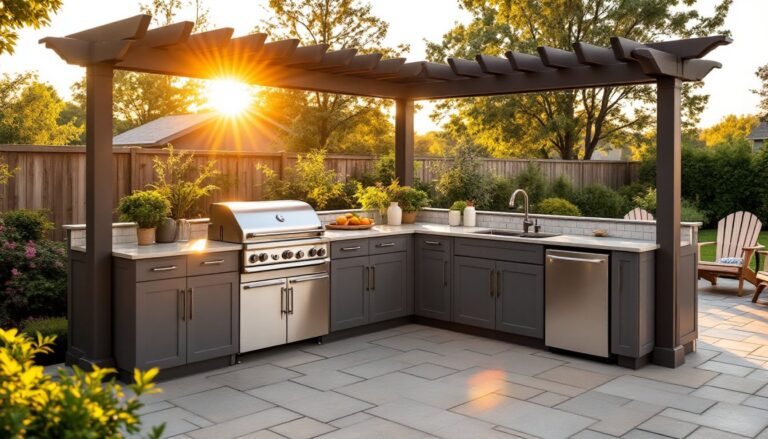
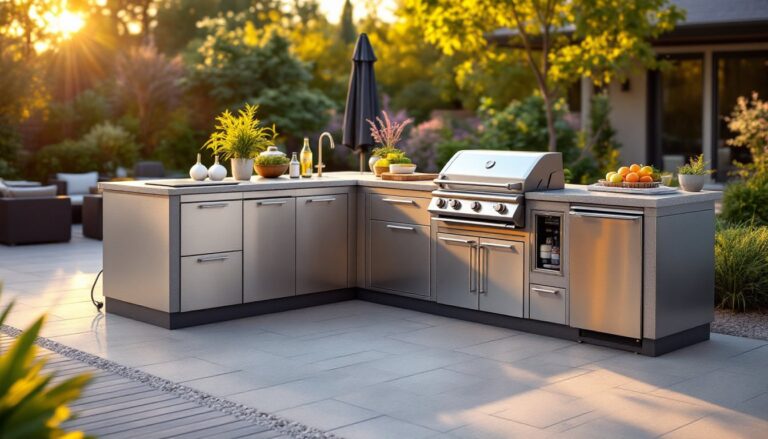
Outdoor living design guides often showcase beverage fridge placement in context, offering practical layout ideas for patios and yards.
Maintenance to Extend Your Unit’s Lifespan
Outdoor beverage refrigerators demand regular maintenance to combat the elements. Establish a simple routine to keep your unit performing for 10+ years.
Monthly tasks: Inspect the door gasket for cracks or hardening. Wipe the exterior with a soft, damp cloth and mild soap, avoid abrasive scrubbers that scratch the finish. Clean the condenser coils (usually located at the rear or bottom) with a soft brush or compressed air to remove dust, leaves, and debris. A clogged condenser is the #1 cause of cooling failure in outdoor units.
Seasonal care: Before winter, ensure frost-protection features are enabled (if your model has them). In spring, run a full inspection: check all seals, test the thermostat, and confirm the unit cools to the set temperature. If the fridge isn’t reaching the target temp, the compressor may be working overtime and needs professional service.
What to avoid: Never use harsh chemicals or steel wool on the exterior, these damage weatherproof coatings. Don’t block the front vents or door opening with landscaping or debris. If your area is extremely humid or salty (near ocean), consider a protective cover when not in use for extended periods.
If you notice refrigerant leaks (oil staining the base), frost buildup inside, or unusual compressor noise, stop using the unit and contact a certified appliance repair technician. These issues require professional diagnosis and repair.
Conclusion
An outdoor beverage refrigerator is a worthwhile investment that pays dividends in convenience, entertainment value, and backyard livability. By choosing a weather-resistant model matched to your space and entertaining needs, placing it strategically, and maintaining it seasonally, you’ll enjoy ice-cold drinks and a more functional outdoor entertaining area for many summers to come.